
In the world of professional sports, few names shine as brightly as Shohei Ohtani. The Los Angeles Dodgers superstar, known for his unparalleled skills as both a pitcher and a hitter, has captivated fans globally. Yet, beyond the baseball diamond, Ohtani’s life has taken an unexpected turn into the realm of high-stakes property disputes. The Shohei Ohtani real estate lawsuit, centered around a luxurious development in Hawaii, highlights how celebrity endorsements can spiral into legal battles. This case, unfolding in the scenic backdrop of the Big Island, involves allegations of interference, misuse of fame, and financial maneuvering that could reshape how athletes protect their personal brands.
As we delve deeper, it’s essential to understand the layers of this dispute. What began as a promising partnership in paradise has evolved into a courtroom drama, drawing attention to the complexities of real estate ventures tied to public figures.
Who Is Shohei Ohtani? A Brief Overview of the Baseball Phenom
Shohei Ohtani, often dubbed the “modern-day Babe Ruth,” hails from Japan and made his Major League Baseball debut with the Los Angeles Angels in 2018. His unique ability to excel in both pitching and hitting earned him the American League MVP award multiple times. In 2024, Ohtani signed a record-breaking $700 million contract with the Dodgers, solidifying his status as one of the highest-paid athletes in history.
Ohtani’s influence extends far beyond sports. His endorsement deals span global brands, and his personal life, though private, occasionally makes headlines. The Shohei Ohtani real estate lawsuit brings to light a lesser-known aspect: his involvement in property investments, particularly in Hawaii, where he reportedly owns a home. This lawsuit isn’t about his personal residence but a larger development project where his name became a pivotal element.
To appreciate the context, consider Ohtani’s journey:
- Early Career in Japan: Ohtani dominated in the Nippon Professional Baseball league with the Hokkaido Nippon-Ham Fighters.
- MLB Breakthrough: His dual-threat capabilities revolutionized the game, leading to unanimous MVP wins.
- Off-Field Ventures: From endorsements to investments, Ohtani’s brand is a multi-million-dollar asset.
This background sets the stage for why the Shohei Ohtani real estate lawsuit is more than just a property squabble—it’s about safeguarding a carefully curated image.
The Hawaiian Paradise Project: Details of the Development
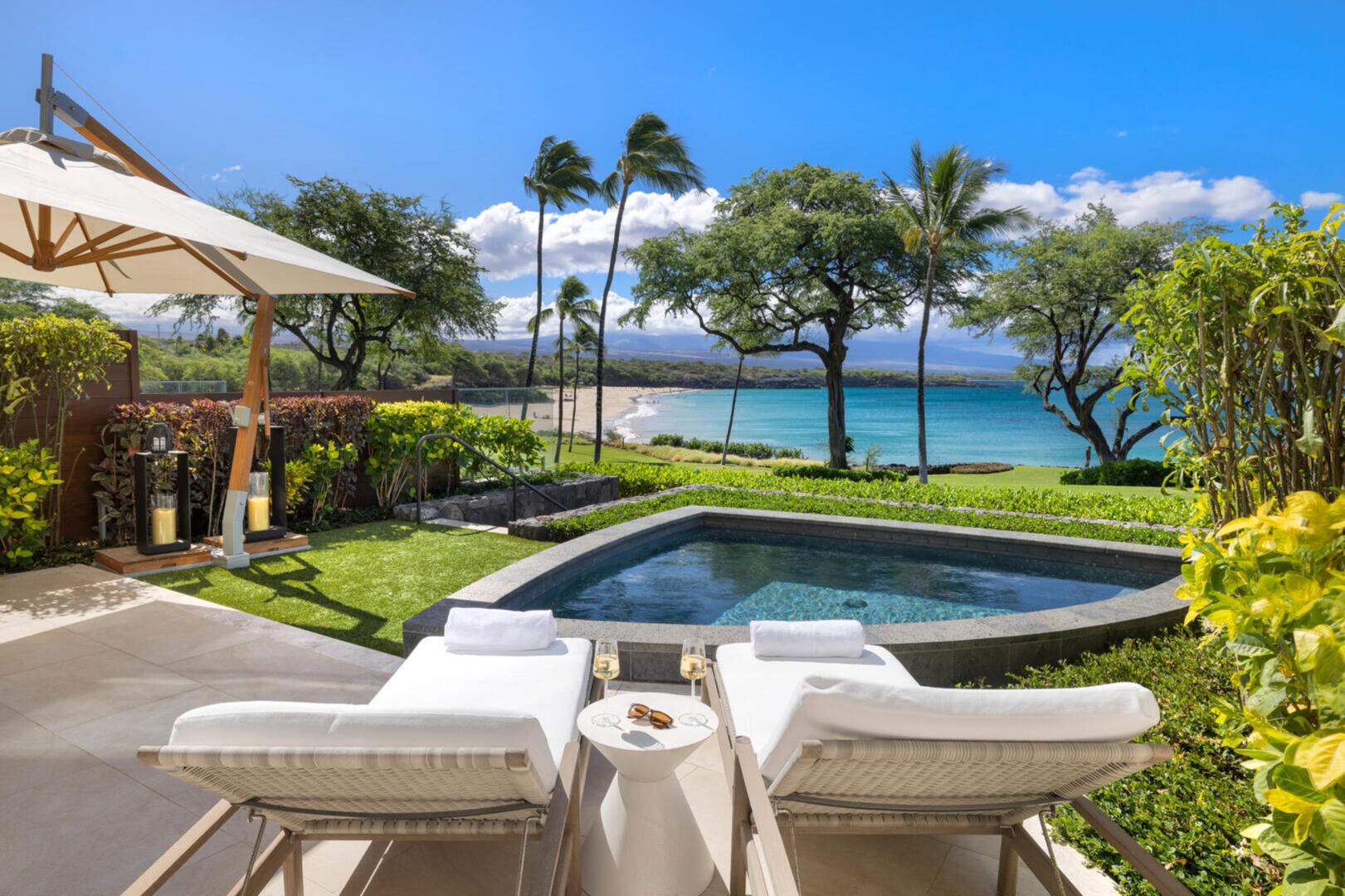
Hawaii, with its stunning landscapes and exclusive resorts, has long attracted affluent investors. The project at the heart of the Shohei Ohtani real estate lawsuit is a $240 million luxury housing development on the Big Island’s Hapuna Coast, part of the renowned Mauna Kea Resort. This venture aimed to create high-end villas blending modern luxury with natural beauty, targeting elite buyers seeking seclusion and sophistication.

The development, known as Parcel F, was envisioned as a collection of upscale residences featuring ocean views, private amenities, and sustainable design elements. Key features included:
- Prime Location: Situated near pristine beaches and golf courses, offering unparalleled access to Hawaii’s natural wonders.
- Luxury Amenities: Pools, spas, and custom interiors designed for opulent living.
- Investment Appeal: Marketed as a high-return opportunity in one of the world’s most desirable real estate markets.
Involvement in such projects often includes celebrity endorsements to boost appeal. Here, Ohtani’s name was tied to the promotion, but disputes arose over how it was used, fueling the Shohei Ohtani real estate lawsuit.
Key Players in the Dispute: Parties Involved
The Shohei Ohtani real estate lawsuit features a cast of individuals and entities from the worlds of sports, real estate, and business. Understanding who they are provides clarity on the conflicting interests.
- Shohei Ohtani: The central figure, though his direct involvement appears minimal. As a defendant, he’s accused of leveraging his fame indirectly through his representatives.
- Nez Balelo: Ohtani’s agent from Creative Artists Agency (CAA) Baseball. Balelo is portrayed as the architect of the alleged interference, prioritizing Ohtani’s interests.
- Kevin J. Hayes Sr. and Tomoko Matsumoto: The plaintiffs, a developer and real estate broker respectively. They claim they were unjustly removed from the project.
- Related Entities: West Point Investment Corp. and Hapuna Estates Property Owners, associated with the plaintiffs.
- Kingsbarn Realty Capital: The majority owner of the joint venture, who ultimately dropped the plaintiffs.
- Additional Defendants: In later filings, CAA and CAA Sports were added, expanding the scope.
This lineup underscores the Shohei Ohtani real estate lawsuit as a clash between celebrity management and real estate ambitions.
Allegations from the Plaintiffs: Claims of Interference and Abuse of Power
At the core of the Shohei Ohtani real estate lawsuit are serious accusations leveled by the plaintiffs. Filed in August 2025 in Hawaii’s Circuit Court, the complaint paints a picture of calculated sabotage.
The plaintiffs allege that Ohtani and Balelo engaged in tortious interference, disrupting their contractual relationships with the project’s lead developer. Specifically:
- Scheme to Destabilize: They claim Balelo orchestrated a plan to undermine their positions for personal gain.
- Unjust Enrichment: Accusations that the defendants benefited financially at the plaintiffs’ expense.
- Abuse of Celebrity Status: Using Ohtani’s fame to demand concessions and force their removal.
Further details emerged in an amended complaint, which highlighted cost overruns on Ohtani’s personal home in the area. The plaintiffs assert they informed Balelo and CAA about promotional materials, including a website and video, without objections for over a year. Suddenly, concerns were raised, leading to threats of litigation and their eventual firing.
This narrative frames the Shohei Ohtani real estate lawsuit as a tale of power imbalance, where a superstar’s entourage allegedly wielded undue influence.
Ohtani’s Defense: Countering with Claims of Misuse
In response to the Shohei Ohtani real estate lawsuit, Ohtani’s legal team has been vigorous in their defense. They filed a motion to dismiss in September 2025, arguing that the suit lacks merit and misrepresents the facts.
Key points in their rebuttal include:
- Victim of NIL Misuse: Ohtani is positioned as the aggrieved party, with plaintiffs allegedly exploiting his name, image, and likeness without proper authorization or compensation.
- Protected Speech: Balelo’s communications, including threats of legal action, are defended as legitimate efforts to protect Ohtani’s brand.
- No Direct Wrongdoing: Emphasis that Ohtani himself isn’t accused of personal actions, making his inclusion in the suit an attempt to leverage his celebrity for pressure.
- Frivolous Lawsuit: Described as a distraction from the plaintiffs’ own failures, such as self-dealing in a side project.
Statements from Ohtani’s representatives underscore Balelo’s role in safeguarding interests, stating that the allegations are baseless. This motion seeks to end the Shohei Ohtani real estate lawsuit swiftly, avoiding prolonged litigation.
Recent Developments and Amendments in the Case
As the Shohei Ohtani real estate lawsuit progressed into the fall of 2025, new elements emerged. An amended complaint filed in October added Creative Artists Agency and CAA Sports as defendants, broadening the legal net.
Updates include:
- Blame for Cost Overruns: Plaintiffs claim defendants scapegoated them for expenses caused by their own decisions.
- Evidence of Awareness: Assertions that promotional uses were shared via email and video, with no prior complaints.
- Denial of Improper Use: Lawyers for the plaintiffs firmly reject any breach of the endorsement agreement.
Ohtani’s side countered by reiterating the motion to dismiss, labeling the amendments as desperate tactics. As of late 2025, the case remains unresolved, with potential for further hearings. These twists keep the Shohei Ohtani real estate lawsuit in the spotlight, reflecting ongoing tensions.
Implications for Ohtani’s Career and Public Image
The Shohei Ohtani real estate lawsuit, while not directly related to his on-field performance, could impact his broader career. Ohtani’s image as a humble, focused athlete contrasts with the drama of legal disputes.
Potential effects:
- Brand Protection: Highlights the need for stringent controls over endorsements.
- Media Scrutiny: Increased attention might distract from his achievements, like leading the Dodgers to playoffs.
- Financial Ramifications: If prolonged, it could affect future deals, though Ohtani’s wealth provides a buffer.
Despite this, Ohtani has maintained silence on the matter, focusing on baseball. Fans and analysts view the Shohei Ohtani real estate lawsuit as a minor blip in an otherwise stellar trajectory.
Broader Context: Celebrity Endorsements in Real Estate
The Shohei Ohtani real estate lawsuit isn’t isolated; it mirrors trends in celebrity-real estate intersections. Stars like Oprah Winfrey and George Clooney have invested in properties, sometimes leading to disputes.
Key lessons:
- NIL Rights: Importance of clear agreements to prevent misuse.
- Power Dynamics: How agents navigate deals to protect clients.
- Legal Risks: Real estate’s volatility, amplified by fame.
In Hawaii, where luxury developments boom, such cases underscore regulatory needs. The Shohei Ohtani real estate lawsuit serves as a cautionary tale for future collaborations.
Exploring the Legal Framework: Tortious Interference and Unjust Enrichment
To fully grasp the Shohei Ohtani real estate lawsuit, consider the legal concepts at play.
- Tortious Interference: Involves intentionally disrupting a contract. Plaintiffs must prove wrongful actions caused harm.
- Unjust Enrichment: Claims one party benefited unfairly. Defenses argue benefits were contractual.
Hawaii’s courts will evaluate evidence, including emails and agreements. This analysis deepens understanding of the Shohei Ohtani real estate lawsuit’s complexities.
Public Reaction and Media Coverage
The Shohei Ohtani real estate lawsuit has sparked varied reactions. Fans defend Ohtani, seeing it as an attack on his integrity, while real estate enthusiasts debate developer ethics.
Media angles:
- Sports Outlets: Focus on Ohtani’s defense.
- Business News: Analyze investment risks.
- Social Media Buzz: Discussions on celebrity influence.
This coverage amplifies the Shohei Ohtani real estate lawsuit’s reach.
Potential Outcomes and Resolutions
Speculating on the Shohei Ohtani real estate lawsuit’s end, possibilities include:
- Dismissal: If the motion succeeds.
- Settlement: Out-of-court agreement to avoid publicity.
- Trial: Full proceedings, rare for such cases.
Regardless, it could set precedents for NIL protections.
Lessons Learned from the Dispute
From the Shohei Ohtani real estate lawsuit, stakeholders can glean insights:
- Clear Contracts: Define endorsement scopes.
- Communication: Prevent misunderstandings.
- Ethical Practices: Avoid self-dealing.
These apply beyond this case.
The Allure of Hawaiian Real Estate Investments
Hawaii’s market, central to the Shohei Ohtani real estate lawsuit, boasts high values and exclusivity.
Factors driving interest:
- Scenic Beauty: Volcanoes, beaches.
- Economic Stability: Tourism-driven.
- Celebrity Appeal: Draws stars like Ohtani.
Ohtani’s Other Ventures: Beyond Baseball and Lawsuits
While the Shohei Ohtani real estate lawsuit dominates headlines, his portfolio includes philanthropy and tech investments.
Highlights:
- Charity Work: Supporting youth sports.
- Business Deals: Global brands.
This diversity showcases his multifaceted life.
Conclusion: Navigating Fame and Fortune in the Modern Era
The Shohei Ohtani real estate lawsuit encapsulates the challenges of blending celebrity with business. As the case unfolds, it reminds us of the vulnerabilities even icons face. Whether resolved quietly or dramatically, it underscores the importance of vigilance in partnerships. For Ohtani, this may be a footnote, but for the industry, it’s a pivotal chapter.