
Imagine waking up to the vast open spaces of rural Colorado, where horse pastures meet modern homes, and community spirit is supposed to bind neighbors together. But in Todd Creek Farms, a once-idyllic subdivision near Brighton, that harmony has been shattered by internal conflicts. At the heart of this turmoil is the Todd Creek Farms Homeowners Association lawsuit, a legal battle that has pitted residents against their own governing board, leading to financial strain and divided loyalties. This ongoing saga highlights the challenges many homeowners face when associations meant to protect property values instead become sources of contention.
Understanding the Community of Todd Creek Farms
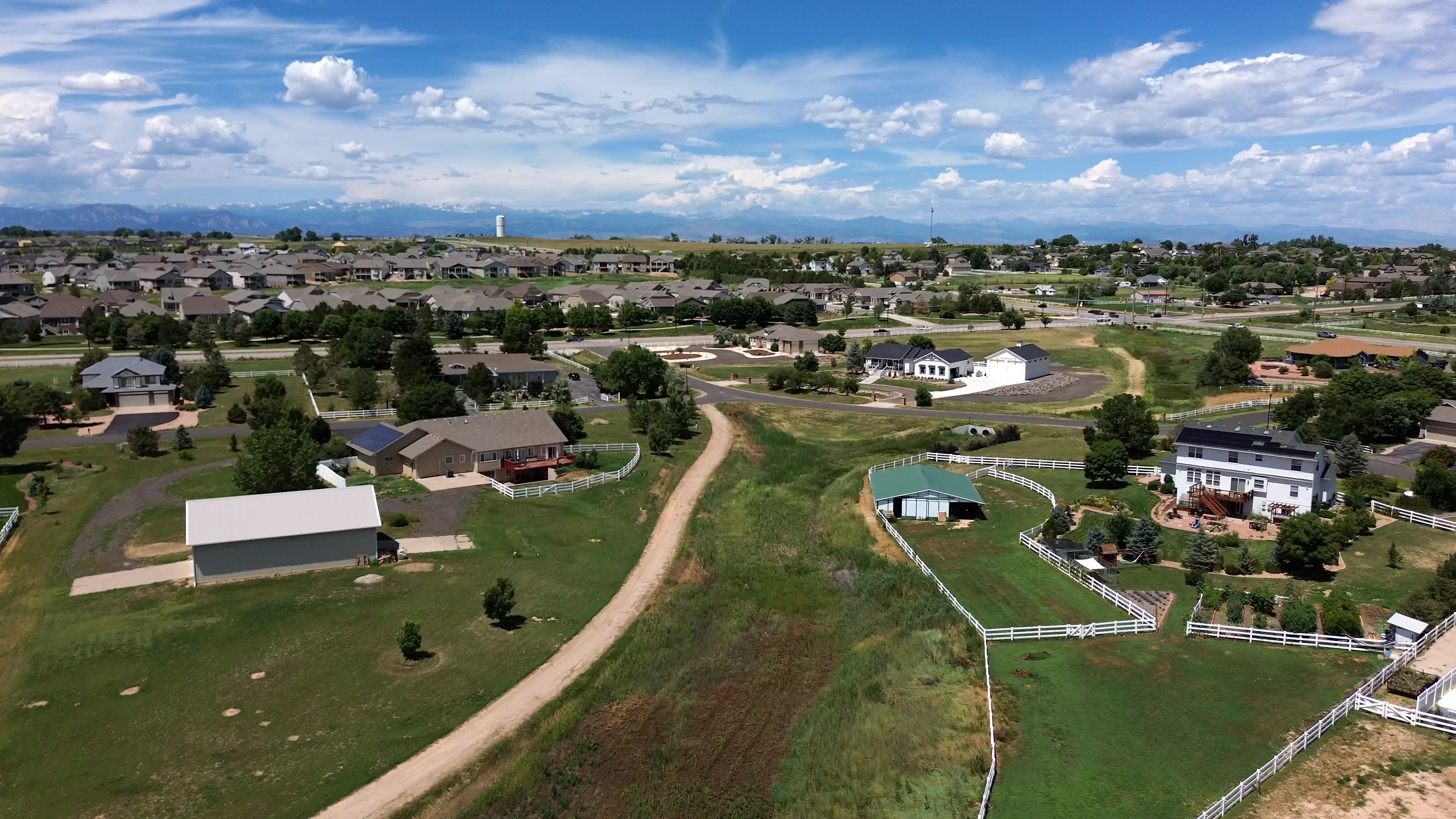
Todd Creek Farms spans about 750 acres in Adams County, Colorado, boasting around 370 homes in a semi-rural setting. Residents are drawn to its equestrian-friendly lots, open trails, and proximity to Denver while maintaining a countryside feel. The homeowners association here oversees common areas, enforces covenants, and manages funds from dues and other sources, including revenue from oil and gas operations on the property.
However, beneath this picturesque exterior, tensions have brewed for years. The Todd Creek Farms Homeowners Association lawsuit emerged from grievances that some residents felt were ignored, escalating into formal legal action. This case isn’t just about one issue; it encompasses allegations of mismanagement, lack of transparency, and potential conflicts of interest that have affected the entire community.

The Role of Homeowners Associations in Modern Communities
Before diving deeper into the specifics, it’s essential to grasp what a homeowners association (HOA) does. HOAs are private entities that govern planned communities, enforcing rules on property maintenance, architectural standards, and communal amenities. They collect dues to fund services like landscaping, road repairs, and recreational facilities. In Colorado, HOAs operate under state laws like the Colorado Common Interest Ownership Act, which mandates fiduciary duties from board members.
In the context of the Todd Creek Farms Homeowners Association lawsuit, these duties are central. Residents expect their board to act in the best interest of all, not favor personal gains. When perceptions of unfairness arise, it can lead to disputes that drain resources and erode trust. This lawsuit serves as a cautionary tale for similar communities across the nation.
The Spark That Ignited the Conflict
The roots of the Todd Creek Farms Homeowners Association lawsuit trace back to 2019 when Jason Pardikes was elected as board president. Initially, his leadership seemed promising, with efforts to update bylaws and improve governance. However, by 2023, a group of 21 homeowners—representing roughly 5% of the properties—filed a derivative lawsuit in Adams County District Court.
These plaintiffs, some of whom were former board members, alleged that the board violated bylaws by swapping terms between two members, effectively extending one’s tenure without proper election. This maneuver, they claimed, undermined democratic processes within the association. The Todd Creek Farms Homeowners Association lawsuit also pointed to failures in disclosing required financial records, leaving residents in the dark about how their dues were being spent.
Key Allegations in the Legal Battle
Delving into the core claims of the Todd Creek Farms Homeowners Association lawsuit, the plaintiffs accused the board of breaching fiduciary responsibilities, particularly in handling a landscaping contract with Method Landscaping Services. Court documents suggest that the HOA paid over $224,000 for grounds maintenance in 2020, far exceeding the contracted amount of about $26,000. Allegations surfaced that funds flowed in a way that potentially benefited Pardikes and his wife, with bank records indicating over $150,000 in questionable transfers.
The board vehemently denies these accusations, citing independent audits from 2020 to 2024 that found no financial irregularities. Pardikes has stated that the landscaping work, including trail renovations, was necessary and properly executed. Despite this, the Todd Creek Farms Homeowners Association lawsuit has brought scrutiny to the board’s decision-making, questioning whether personal connections influenced contracts.
Points of Contention in the Contract Dispute
- Overpayment Claims: Plaintiffs argue that payments to Method Landscaping were inflated, suggesting kickbacks or undue benefits.
- Conflict of Interest: Alleged ties between board members and service providers raised red flags about impartiality.
- Record-Keeping Failures: Demands for documents went unanswered, fueling suspicions of hidden dealings.
- Bylaws Violations: The term-swapping incident is seen as a power grab, bypassing community input.
These elements form the backbone of the Todd Creek Farms Homeowners Association lawsuit, illustrating how small oversights can snowball into major legal confrontations.
The Financial Toll on the Association and Residents
One of the most striking aspects of the Todd Creek Farms Homeowners Association lawsuit is its economic impact. Legal defense fees have ballooned to nearly $900,000 over 27 months, averaging $40,000 per month. This expenditure has strained the HOA’s budget, which relies on member dues and royalties from oil and gas drilling on subdivision land.
Residents have felt the pinch through delayed distributions of these royalties and potential increases in assessments. The board argues that continuing the fight would bankrupt the association organically, harming all homeowners. In a statement, they emphasized that the lawsuit’s costs threaten essential services like maintenance and security.
Economic Impacts Breakdown
- Legal Expenses: Over $800,000 spent on attorneys and court proceedings.
- Opportunity Costs: Funds diverted from community improvements, such as trail upkeep or amenity upgrades.
- Resident Burdens: Some homeowners launched a GoFundMe for their legal fees, highlighting divided financial pressures.
- Long-Term Effects: Potential for higher dues if bankruptcy reorganization imposes new terms.
The financial narrative in the Todd Creek Farms Homeowners Association lawsuit underscores the high stakes involved when internal disputes go to court.
The Bankruptcy Filing: A Strategic Move?
In a dramatic turn, the HOA filed for Chapter 11 bankruptcy on July 15, 2025, effectively pausing the state court proceedings. This filing, rare for HOAs, aims to reorganize finances and halt the accumulating legal bills. Board members described it as a necessary step to “stop the bleeding” and protect the community from further exposure.
Critics, including plaintiffs’ attorney Peter Towsky, view it as a delay tactic to avoid accountability. The bankruptcy court must now determine if the filing was made in good faith. Meanwhile, the Todd Creek Farms Homeowners Association lawsuit remains on hold, with motions like the appointment of a receiver (granted in late 2024) adding layers to the complexity.
Key Aspects of the Bankruptcy Process
- Chapter 11 Overview: Allows reorganization while continuing operations, unlike liquidation.
- Impact on Lawsuit: State case paused until bankruptcy court approval.
- Financial Reorganization: Potential resumption of royalty payments to residents.
- Rare Occurrence: Experts note HOAs seldom resort to bankruptcy, making this case noteworthy.
This development in the Todd Creek Farms Homeowners Association lawsuit has shifted the battleground to federal court, prolonging resolution.
Community Reactions and Divisions
The Todd Creek Farms Homeowners Association lawsuit has split the community. On one side, 53% of residents signed a petition supporting the board and urging an end to litigation. High voter turnout in the February 2025 elections, where Pardikes was re-elected, signals confidence in current leadership.
Conversely, plaintiffs like Edie Apke express frustration, believing the suit addresses broader interests in transparency and fairness. Personal stories abound: some residents fear retaliation, while others praise the board’s reforms, such as banning foreclosures for minor violations.
Voices from the Community
- Supporters’ View: “The board has been transparent and effective; this lawsuit is driven by grudges.”
- Opponents’ Perspective: “We need accountability to prevent future abuses.”
- Neutral Residents: Many just want peace and focus on enjoying their homes.
- Broader Implications: The divide affects social interactions and property values.
These reactions highlight how the Todd Creek Farms Homeowners Association lawsuit extends beyond legalities into social fabric.
Ongoing Legal Proceedings and Updates
As of late 2025, the Todd Creek Farms Homeowners Association lawsuit is entangled in bankruptcy proceedings. Prior motions to dismiss were denied, and a receiver was appointed to oversee operations temporarily. Additional lawsuits involving Pardikes personally, such as those related to his businesses, have surfaced, adding context to the allegations.
The board has pursued actions against the Adams County Sheriff’s Office over a sealed investigative report that deemed certain practices unethical but not illegal. Plaintiffs continue pushing for unredacted documents to substantiate claims.
Timeline of Major Events
- 2019: Pardikes elected president.
- 2020-2022: Landscaping contracts and audits conducted.
- 2023: Lawsuit filed in district court.
- 2024: Motions denied; receiver appointed.
- July 2025: Bankruptcy filing.
- Ongoing: Federal court oversight; state case paused.
This chronology in the Todd Creek Farms Homeowners Association lawsuit shows a protracted struggle with no quick end in sight.
Lessons Learned for HOAs Nationwide
The Todd Creek Farms Homeowners Association lawsuit offers valuable insights for other communities. First, transparency in financial dealings is paramount to avoid suspicions. Regular audits and open record policies can prevent escalations.
Second, board elections and term limits must adhere strictly to bylaws to maintain legitimacy. Conflicts of interest, real or perceived, should be disclosed promptly.
Third, mediation before litigation can save resources. Colorado’s HOA laws encourage dispute resolution outside court, a path perhaps underutilized here.
Best Practices for Avoiding Similar Disputes
- Enhance Communication: Regular town halls and newsletters build trust.
- Strengthen Governance: Update bylaws to address modern challenges.
- Financial Oversight: Independent reviews ensure accountability.
- Community Engagement: Involve residents in decisions to foster unity.
By heeding these lessons from the Todd Creek Farms Homeowners Association lawsuit, other HOAs can mitigate risks.
Broader Implications for Homeownership in Colorado
In Colorado, where HOAs govern millions of properties, the Todd Creek Farms Homeowners Association lawsuit resonates widely. It prompts discussions on reforming state laws to better protect homeowners from abusive practices while allowing associations to function effectively.
Advocates call for stronger enforcement of fiduciary duties and easier access to records. Meanwhile, the case illustrates the double-edged sword of community governance: essential for harmony but prone to abuse if unchecked.
Conclusion: Toward Resolution and Healing
As the Todd Creek Farms Homeowners Association lawsuit unfolds in bankruptcy court, the community hopes for a resolution that restores peace. Whether through settlement, reorganization, or verdict, the outcome will shape Todd Creek Farms’ future.
This saga reminds us that behind every legal filing are real people—neighbors seeking fairness in their shared home. By learning from this, Todd Creek Farms can emerge stronger, turning conflict into a catalyst for positive change.